Title When AI Meets Packaging: How Artificial Intelligence Is Changing the Way Brands Design, Produce and Sell
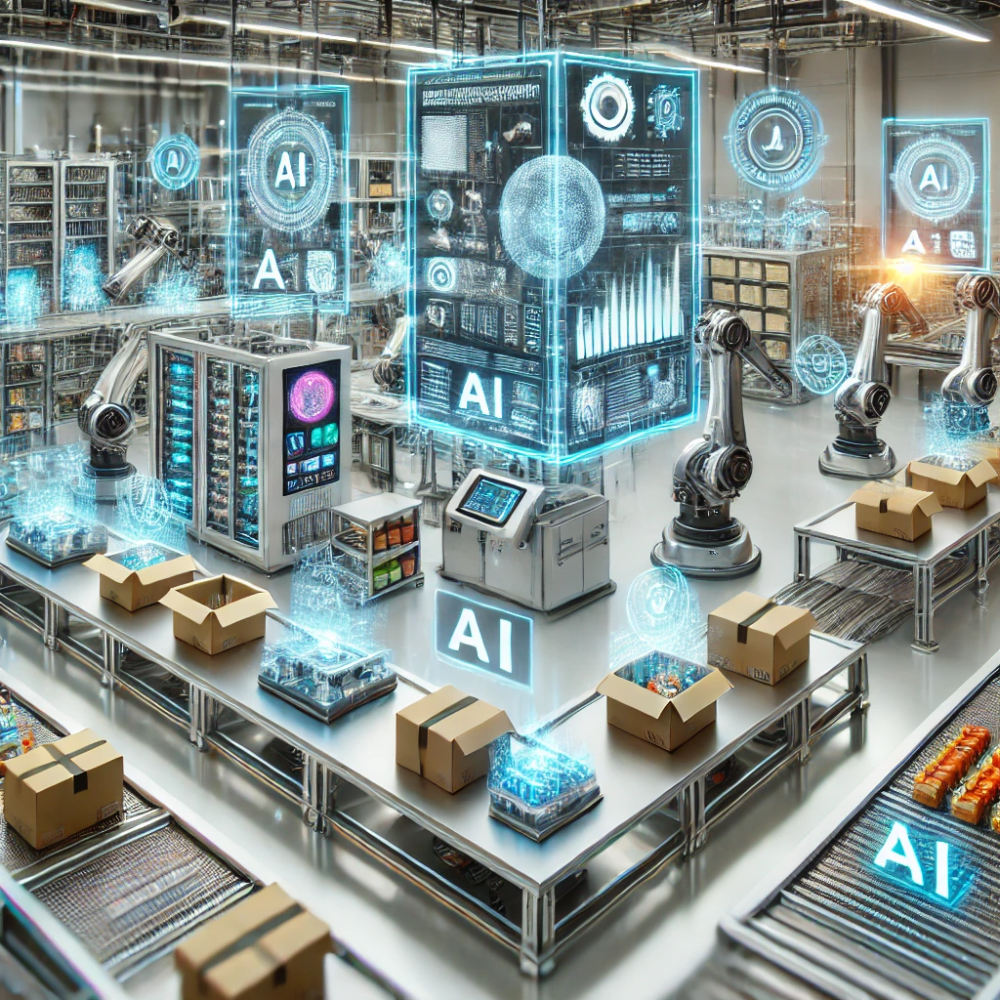
When AI Meets Packaging: How Artificial Intelligence Is Changing the Way Brands Design, Produce and Sell
Artificial intelligence is changing almost every part of the modern e-commerce journey — and packaging is no exception.
For years, packaging decisions were largely based on experience, market trends and manual design processes. Today, AI is beginning to influence how brands design packaging, predict demand, optimise materials and even understand how customers interact with the final product.
So, what does an AI-powered packaging workflow actually look like?
From “What Looks Good?” to “What Performs Best?”
Traditionally, a brand might create several packaging concepts and select one based on visual appeal, cost and internal feedback.
AI introduces another question:
Which packaging is most likely to perform best?
By analysing historical sales, customer preferences, product dimensions, shipping data and market trends, AI can help brands evaluate packaging decisions before large-scale production begins.
This doesn't mean AI replaces designers.
Instead, it gives designers better information to work with.
AI Can Help Reduce Packaging Waste
One of the biggest opportunities is optimisation.
Imagine a product that currently uses a box with 30% empty space.
An AI-supported system can analyse:
- Product dimensions
- Box dimensions
- Protective material requirements
- Shipping constraints
- Storage requirements
- Transportation costs
The result can be a packaging structure that uses less material while still protecting the product.
This is particularly important as e-commerce companies face increasing pressure to reduce unnecessary packaging.
Personalisation Is Becoming More Practical
Personalised packaging used to be expensive and complicated.
Today, digital printing, automated production and AI-generated design concepts are making smaller personalised production runs increasingly accessible.
A brand could potentially create different packaging variations for:
- Different customer segments
- Seasonal campaigns
- Product launches
- Limited editions
- Different countries
- Special events
Instead of producing one design for everyone, brands can increasingly experiment with packaging at a much smaller scale.
Packaging Data Can Become a Business Asset
There is another opportunity that is often overlooked.
Packaging generates data.
Which packaging version produces fewer returns?
Which design receives better customer feedback?
Which box causes fewer damages during shipping?
Which package requires less material?
Which packaging format performs better in a particular market?
When this information is connected to sales, logistics and customer data, packaging becomes more than a physical object.
It becomes part of the brand's decision-making system.
What Happens Next?
The future of packaging is unlikely to be simply “AI-designed boxes”.
Instead, AI will increasingly connect different parts of the packaging lifecycle:
Design → Production → Logistics → Customer Experience → Data → Optimisation
The brands that benefit most will not necessarily be the ones using the most AI.
They will be the ones using AI to solve real packaging problems.
Final Thought
Packaging has always been a combination of creativity, engineering and manufacturing.
AI is adding a fourth element:
intelligence.
The next generation of packaging will not just look better.
It will be designed to perform better.