The Box Is Too Big: Why Right-Sized Packaging Is Becoming a Competitive Advantage
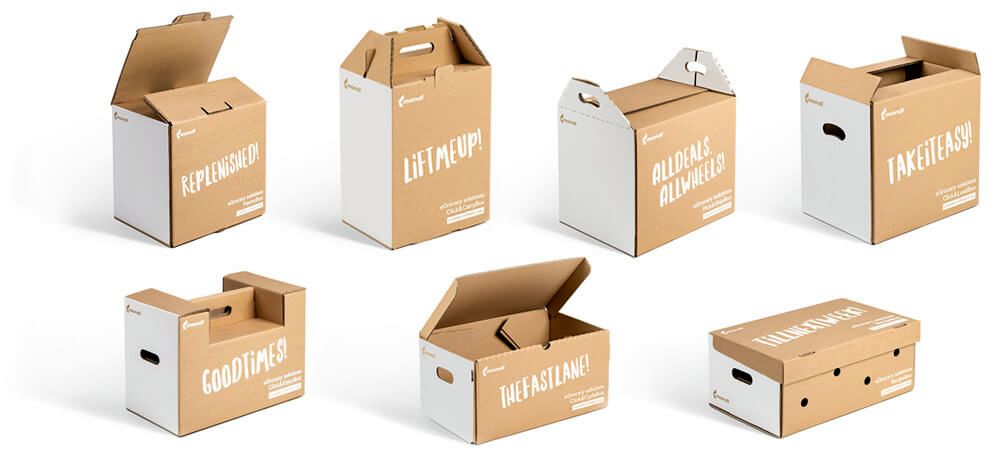
A customer orders a small product online.
The package arrives.
They open a surprisingly large box, remove layers of filler and finally discover the product sitting in the middle.
It feels wasteful.
And increasingly, customers notice.
Packaging Is No Longer Just a Box
In modern e-commerce, packaging affects much more than product protection.
The size and structure of a package can influence:
- Shipping costs
- Warehouse efficiency
- Transportation capacity
- Material consumption
- Product damage
- Customer experience
- Sustainability perception
That makes packaging an operational decision — not simply a design decision.
Why Oversized Packaging Is Expensive
Consider a simple example.
A product requires a 20 × 15 × 10 cm box.
Instead, the company uses a 30 × 25 × 20 cm box.
The product may still arrive safely.
But the company is transporting significantly more empty space.
That can create unnecessary costs throughout the supply chain.
The impact becomes much larger when multiplied by thousands or millions of shipments.
Right-Sizing Changes the Equation
Right-sized packaging means designing the package around the actual product and its operational requirements.
Instead of asking:
“Which box do we have available?”
companies increasingly ask:
“What is the most efficient package for this product?”
This approach can reduce:
- Empty space
- Material consumption
- Void filler
- Storage requirements
- Transportation inefficiency
It can also make automated packaging operations easier.
The E-Commerce Connection
E-commerce has accelerated this change.
Online retailers may ship thousands of different products every day, from cosmetics and jewellery to electronics, fashion and food.
One packaging format rarely works perfectly for all of them.
This is why flexible packaging systems and automated right-sizing technologies are becoming increasingly important in fulfilment operations.
Packaging automation is also becoming more important as highly automated warehouses process orders at increasing speed.
Smaller Doesn't Always Mean Better
There is an important distinction.
Right-sized packaging does not mean simply making every box smaller.
The package still needs to protect the product.
A good packaging solution balances:
Protection + Material Efficiency + Logistics + Brand Experience
A luxury perfume, for example, may require a sophisticated rigid structure and custom insert.
A subscription product may benefit from lightweight mailing packaging.
A food product may require completely different barrier and protection characteristics.
The goal is not “less packaging”.
The goal is better packaging.
What About Sustainability?
Right-sizing can support sustainability because it can reduce unnecessary material and improve transportation efficiency.
But sustainability should not be reduced to one metric.
A recyclable package that causes frequent product damage may create another problem.
The better approach is to evaluate the entire lifecycle:
Material → Manufacturing → Shipping → Product Protection → Customer Use → Recycling
The Future: Packaging Designed Around the Product
The traditional model was:
Product → Available Box → Shipping
The emerging model is:
Product → Data → Optimised Packaging → Automated Fulfilment → Customer
That is a significant change.
Packaging is becoming more integrated with logistics, automation and e-commerce operations.
Final Thought
The biggest packaging opportunity may not be creating a more complicated box.
Sometimes, it is simply creating the right box.
And when that decision is repeated across thousands of shipments, a small packaging improvement can become a major business advantage.